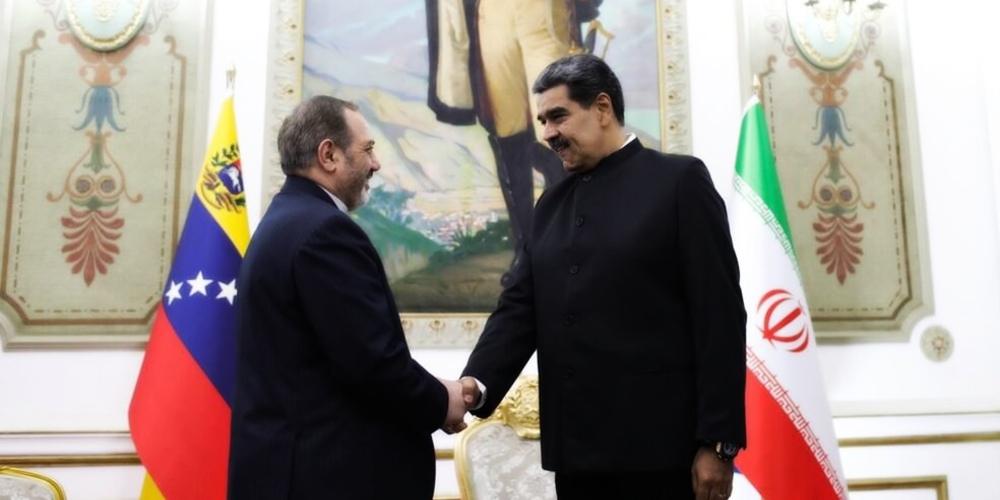
Iranian leaders face a major setback after the U.S. capture of Venezuelan President Nicolás Maduro over the weekend. Tehran condemns the operation as a violation of sovereignty while assessing damage to its anti-American alliances in Latin America.
Venezuela served as a key ally for Iran under Maduro and his predecessor Hugo Chávez. The two nations built ties through oil trade, military cooperation including drone technology, and shared opposition to U.S. influence. Experts note that Caracas provided Iran with a foothold in the Western Hemisphere for operations involving Hezbollah, drug trafficking, and regional power projection.
With that ally now in the pocket of the United States, hopes within the Iranian regime of quickly resetting their course are fading. According to Euronews, “More than anything else, these developments are a sign of a structural crisis that has been forming beneath the surface of society for years and now, with any economic, political or security shock, is ready to resurface.”
Iran’s Foreign Ministry quickly denounced the U.S. strikes and Maduro’s extraction, calling it “state terrorism” and a “flagrant violation” of international law. Supreme Leader Ali Khamenei and other officials view the event as a direct warning from President Trump, especially amid ongoing protests in Iran over economic issues.
Analysts predict Tehran will recalibrate its foreign policy. Losing Venezuela weakens Iran’s “axis of resistance” in the Americas, already strained after recent elections in Bolivia shifted toward pro-Israel leadership. Iran may deepen ties with remaining allies like Cuba, Russia, and China, while increasing caution in proxy activities.
The capture highlights vulnerabilities for regimes opposing U.S. interests. With Maduro facing narco-terrorism charges in New York, Iran watches closely as Trump signals readiness to confront adversaries directly. This development forces Tehran to balance defiance with strategic restraint in a shifting global landscape.
American observers see the Maduro operation as a firm stance against socialist dictatorships and their enablers. It disrupts networks that threaten American security and reinforces that alliances with rogue states carry risks.
The full impact on Iran’s strategy remains unfolding, but the loss of a longtime partner undeniably complicates Tehran’s efforts to counter U.S. dominance abroad. As for their problems at home, it seems likely that they’re going to act more desperately with the international walls closing in around them.