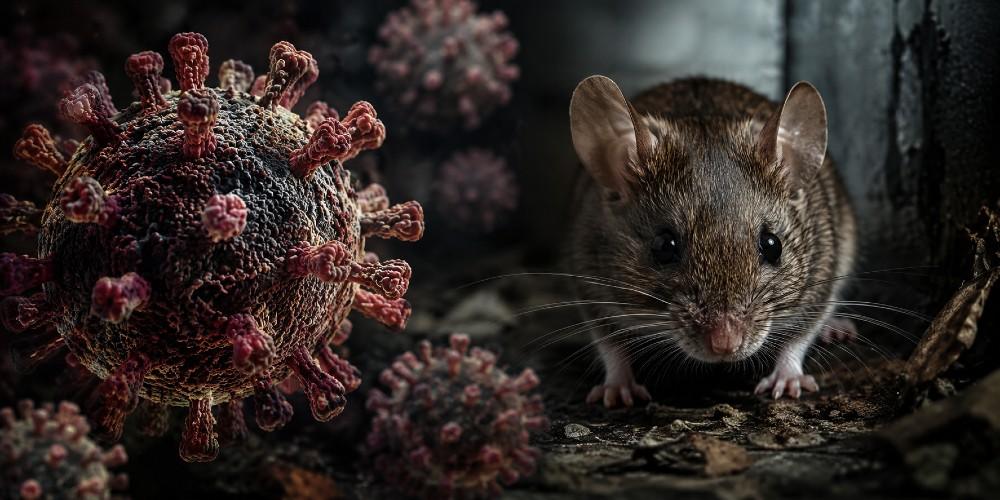
A luxury Antarctic cruise that promised breathtaking vistas and unforgettable adventure has instead delivered a sobering reminder of human vulnerability. One of 17 U.S. citizens evacuated from the MV Hondius has tested mildly positive for the Andes strain of hantavirus, while another shows mild symptoms, according to the Department of Health and Human Services. What began as an exotic voyage has exposed the fragile line between leisure and lethal risk in our hyper-connected world.
Passengers aboard the Dutch-flagged vessel, operated by Oceanwide Expeditions, found themselves trapped in a floating pressure cooker after the virus surfaced in early April. The ship, which departed Ushuaia, Argentina, carried tourists through remote South Atlantic stops including Antarctica and various islands. By the time it reached Spanish waters near Tenerife in the Canary Islands, the outbreak had claimed three lives—a Dutch couple and a German national—with eight total cases confirmed or suspected. Health officials moved swiftly over the weekend to repatriate nationals, with Americans flown to a specialized biocontainment facility at the University of Nebraska Medical Center.
The confirmed U.S. case, described as “mildly PCR positive,” and the symptomatic passenger traveled in biocontainment units aboard the repatriation flight, underscoring the gravity of even low-probability transmission. Authorities emphasize that person-to-person spread of hantavirus remains rare, typically tied to rodent droppings, urine, or saliva. Yet the Andes variant’s potential 50 percent fatality rate in severe pulmonary cases demands caution, not complacency. While the general public risk stays low, this incident forces uncomfortable questions about how a rodent-borne illness infiltrated a high-end cruise itinerary.
Evacuations unfolded with clinical precision: passengers in protective gear, small boats shuttling groups to shore, and coordinated flights from multiple nations. Spanish authorities handled their citizens first, routing them to military hospitals. The U.S. operation, involving the CDC and State Department, directed passengers to Nebraska for assessment before potential home monitoring. Such measures reflect lessons from prior health crises, yet they also reveal the immense resources required to contain what began far from any major population center.
This episode arrives at a moment when global travel has rebounded with vengeance, often marketed as harmless escapism. Luxury liners ply routes once reserved for explorers, carrying passengers who seldom consider the unseen biological hazards of remote landings or shipboard environments. The irony is thick: vessels designed for indulgence become vectors for ancient pathogens when diligence slips. Investigations continue into whether initial exposures occurred during pre-cruise activities in South America, where hantavirus has long circulated in rodent populations.
Media coverage has predictably focused on the drama of quarantines and flights, with scant deeper inquiry into prevention or the limits of bureaucratic response. Institutions excel at after-the-fact containment—flights, biocontainment units, PCR tests—but they cannot eliminate the fundamental risks of assuming mastery over nature. History offers ample warnings: plagues, pestilences, and unexpected outbreaks have humbled empires and individuals alike.
Conservatives have long argued that true security flows from prudence, self-reliance, and moral clarity rather than endless regulation or international coordination. Families weighing dream vacations might now pause to consider not just insurance policies but the wisdom of venturing into environments where control is illusory. The left’s instinct to globalize every experience without boundaries has its costs, as this cruise painfully illustrates.
Even as health teams monitor contacts and the ship heads for disinfection in Rotterdam, the human toll lingers. Three families grieve loved ones lost to a virus that struck without fanfare. For those returning home under observation, anxiety replaces anticipation. This is no abstract policy debate; it is flesh-and-blood reality testing our assumptions about progress and safety.
In times when uncertainty grips the nations, Scripture anchors the believer: “And he said unto them, Why are ye so fearful? how is it that ye have no faith?” (Mark 4:40). The question pierces our modern illusions of invincibility. Faith does not preclude caution—it compels it, urging diligence in stewardship of body, family, and community while rejecting both reckless fear and naive overconfidence.
As officials track outcomes from the Nebraska facility, this hantavirus cluster serves as a microcosm of larger civilizational challenges. Global mobility brings wonders but also vulnerabilities that no government agency can fully neutralize. The prudent response lies not in panic or shutdowns, but in renewed emphasis on personal responsibility, border awareness, and a humble recognition that nature operates under laws far beyond bureaucratic reach. Americans returning from this ordeal, and those watching from home, would do well to reflect on both the fragility of life and the sufficiency of providence.