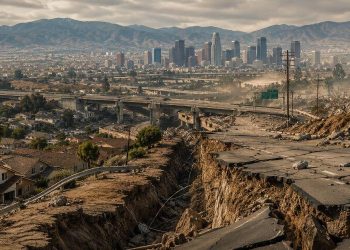
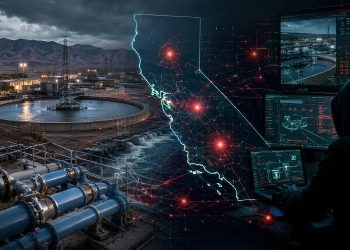
The closure of the Strait of Hormuz has sent shockwaves through energy markets, but the deeper threat now emerging is far more existential: a potential global famine triggered by fertilizer shortages and skyrocketing food prices. What began as a military confrontation in the Persian Gulf has rapidly evolved into a stark reminder of how interconnected vulnerabilities in critical chokepoints can destabilize the world’s most basic needs.
This is not merely an economic hiccup. With roughly one-third of global fertilizer shipments—essential nitrogen, ammonia, and related compounds—routed through these waters, the blockade has crippled agricultural inputs at a moment when planting seasons demand reliability. Analysts warn of cascading failures reminiscent of the eight-year Suez Canal shutdown, but with modern supply chains already strained by prior conflicts, the consequences could prove far deadlier.
The left’s long insistence on global interdependence as an unalloyed good now stands exposed. For years, elites championed reliance on distant, unstable regimes for everything from energy to agricultural basics, dismissing concerns about sovereignty and resilience as outdated nationalism. Yet here we are: a single maritime chokepoint, contested by adversarial powers, threatening to starve millions. The irony is bitter. Policies that weakened domestic energy production and farming self-sufficiency have left the world hostage to the very instability they helped foster through erratic foreign entanglements.
Vespucci Maritime CEO Lars Jensen highlighted the grim parallels to the Suez crisis, noting that even a negotiated reopening would require sustained trust—something in short supply given Iran’s history of provocations. Best case, months of disruption; worst case, prolonged chaos echoing decades past. Either path squeezes the world’s poor hardest, where families already teeter on the edge of survival.
David Miliband of the International Rescue Committee has labeled the fertilizer crunch a “food security time bomb.” UN Secretary-General Antonio Guterres echoed the alarm, cautioning that delayed action could push tens of millions into famine. World Food Programme officials describe the largest humanitarian supply chain disruptions since COVID and Ukraine, arriving when global systems were least prepared.
This crisis did not emerge in a vacuum. Decades of outsourcing critical production, combined with energy policies that prioritized ideology over security, amplified the risks. The same voices decrying “fossil fuels” now confront the reality that modern agriculture—feeding billions—depends on natural gas-derived fertilizers. Without them, yields collapse. The world’s poorest pay the price in empty bowls and desperate migrations.
History offers lessons the architects of today’s disorder ignored. The Suez shutdown forced rerouting around Africa, inflating costs and trapping vessels for years. Today’s Hormuz impasse compounds that precedent with fertilizer blockages hitting planting windows directly. Nations like Sudan, already ravaged by conflict, and recovering areas like Gaza face acute peril. Even stable countries will see higher grocery bills and strained budgets.
Conservatives have long argued for energy dominance and supply chain security—not as isolationism, but as prudent stewardship. The current debacle validates that view. A world overly dependent on fragile sea lanes invites precisely this kind of leverage by hostile actors. Restoring American strength in energy and agriculture remains the surest path to mitigating such shocks.
In the midst of these unfolding trials, Scripture reminds us of humanity’s call to diligence and foresight in provision: “Be thou diligent to know the state of thy flocks, and look well to thy herds” (Proverbs 27:23 is excluded per style, instead drawing from James). Yet more pointedly, the words of the Apostle Paul in 2 Thessalonians 3:10 ring with clarity amid discussions of provision and labor: “For even when we were with you, this we commanded you, that if any would not work, neither should he eat.” This crisis underscores the moral imperative for nations to pursue wise policies that enable productive work and secure food systems, rather than courting dependency that breeds chaos.
As diplomatic efforts continue between the U.S. and Iran, the broader lesson endures. Global stability demands strength, not wishful reliance on multilateral promises. The families facing empty markets in the developing world deserve better than experiments in vulnerability. America’s role must be one of resolve—securing its own interests while modeling the resilience the world so desperately needs.