Across the United States, “smart city” technology is being rolled out at a rapid pace, often framed as a neutral upgrade designed to improve traffic flow, reduce crime, conserve energy, or modernize aging infrastructure. But behind the appealing language and futuristic branding, these systems are quietly expanding the federal government’s surveillance reach in ways most Americans never explicitly approved or even fully understand.
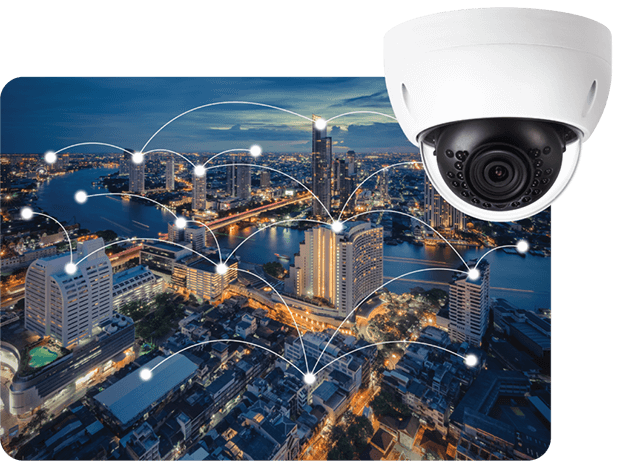
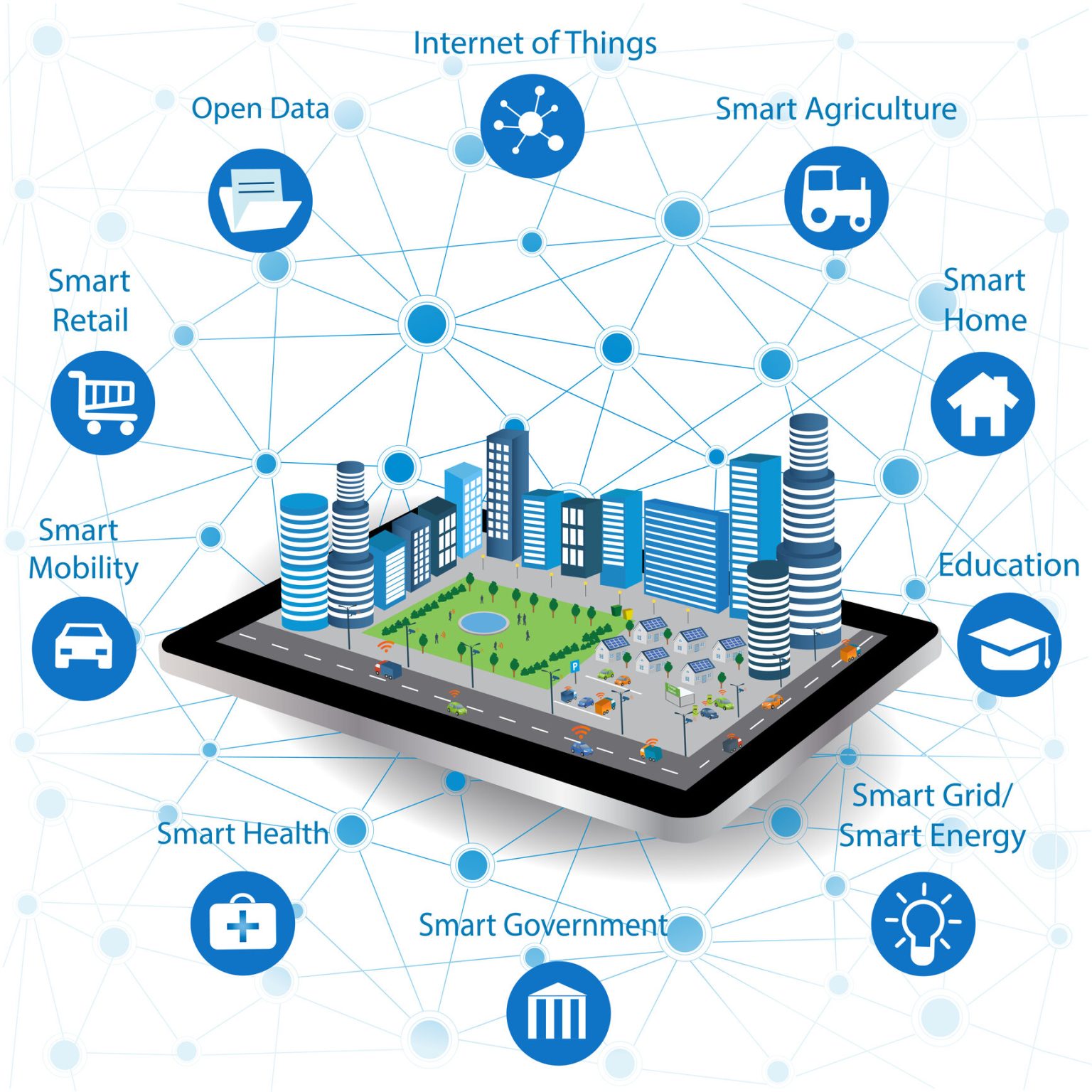
Smart city infrastructure is not a single technology. It is an ecosystem. Networked traffic cameras, automated license plate readers, environmental sensors, smart streetlights, facial recognition-enabled security systems, and centralized data platforms all feed into interconnected databases. Individually, each system can be defended as practical or even beneficial. Collectively, they form a comprehensive real-time monitoring framework capable of tracking movement, behavior, and patterns of daily life at an unprecedented scale.
What makes this expansion especially concerning is how easily local and state systems integrate with federal agencies. Data collected by cities is frequently shared through joint task forces, fusion centers, and public-private partnerships. Once data exists, jurisdictional boundaries matter far less than officials are willing to admit.

Federal involvement in smart city technology has grown steadily through grants, pilot programs, and “security assistance” initiatives. Agencies such as Department of Homeland Security have provided funding for urban surveillance tools under the banner of counterterrorism, infrastructure protection, and emergency preparedness. The result is that local governments often act as data collectors, while federal agencies gain access to the information downstream.
The average citizen is rarely told how long data is stored, who can access it, or how it may be used in the future. Automated license plate readers, for example, were initially marketed as tools to recover stolen vehicles or assist Amber Alerts. Today, they are increasingly used to map travel patterns, associate vehicles with individuals, and retrospectively analyze movement weeks or months after the fact. Facial recognition systems follow a similar trajectory, quietly shifting from limited use cases to broader applications once the infrastructure is in place.
Smart city advocates frequently emphasize that data is anonymized. In practice, true anonymization is difficult to maintain. Multiple data points, when combined, can re-identify individuals with alarming accuracy. A license plate, a face scan, a smartphone signal, and a timestamp can easily reconstruct a person’s movements without their name ever appearing in a database.
Another underreported issue is vendor access. Much of the technology powering smart cities is built and maintained by private corporations that retain varying degrees of control over the data. Contracts often allow vendors to store, analyze, or even monetize anonymized datasets. This creates a gray zone where corporate interests, local governments, and federal agencies intersect with minimal public oversight.
Supporters argue that citizens have nothing to fear if they are doing nothing wrong. History suggests otherwise. Surveillance tools built for emergencies rarely remain confined to their original purpose. Over time, definitions of “public safety,” “extremism,” or “misinformation” tend to expand, especially during periods of political tension or national crisis. Infrastructure built today will be governed by the laws, regulations, and leadership of tomorrow.
The most troubling aspect of smart city expansion is not any single technology, but the absence of meaningful public debate. These systems are often approved through city councils or planning committees with little media attention and almost no direct voter input. By the time residents notice the cameras, sensors, and monitoring hubs, the contracts are signed and the systems are operational.
Smart cities may indeed offer efficiencies and conveniences. But efficiency without accountability carries a cost. As digital infrastructure becomes inseparable from daily life, Americans are being asked to trade privacy for promises of safety and convenience without clear limits or expiration dates.
Of course, the elephant in the room is artificial intelligence. Gathering information with today’s technology isn’t hard at all, nor is accumulating and storing it. But deciphering it all into meaningful and actionable conclusions was not possible until the rise of AI. That’s a whole other can of worms that we’ll tackle in a future article.
Once surveillance becomes embedded in the structure of a city, it is rarely rolled back. The question is no longer whether smart city technology expands federal surveillance reach. It already does. The real question is whether citizens will demand transparency, limits, and consent before the next layer of monitoring quietly goes live.