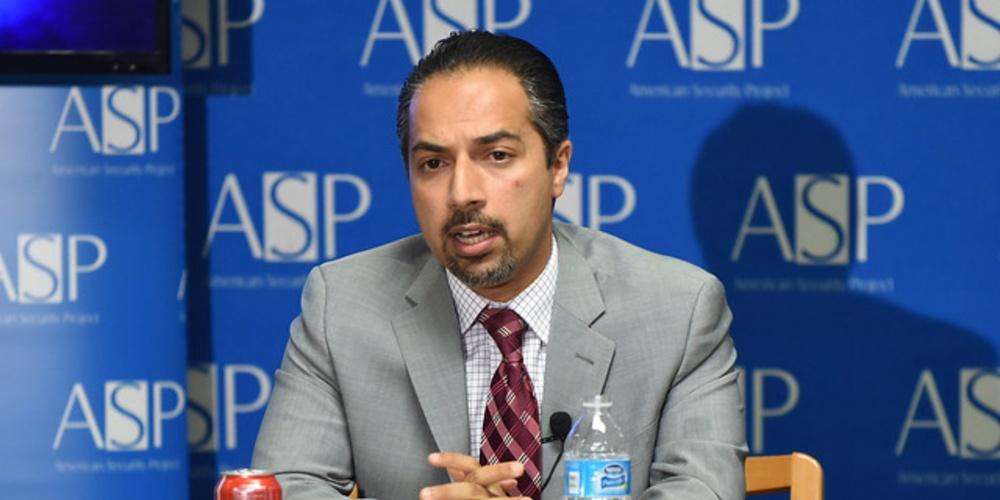
Yale University has come under fire for welcoming Trita Parsi to campus amid the Iranian regime’s deadly suppression of nationwide protests. Parsi, co-founder of the Quincy Institute and former head of the National Iranian American Council (NIAC), is set to speak at an event hosted by the John Quincy Adams Society today, focusing on the Monroe Doctrine and foreign policy restraint.
Critics argue that giving a platform to someone long accused of advancing Tehran’s agenda sends the wrong message while Iranian security forces continue to unleash violence on demonstrators.
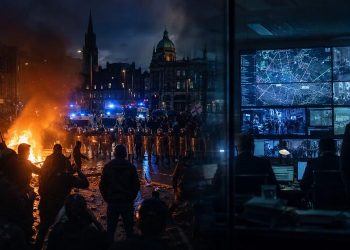
Protests erupted across Iran on December 28, 2025, driven by a collapsing economy and soaring inflation that left basic goods out of reach for millions. What began as economic grievances quickly escalated into demands for regime change, spreading to all 31 provinces. By early January 2026, the government imposed a nationwide internet blackout to conceal its response, but reports from human rights groups like Amnesty International and Human Rights Watch indicate security forces used live ammunition, killing thousands of protesters in just days, with conservative estimates reaching over 16,000 dead and 330,000 injured. Witnesses described streets running red with blood in cities like Tehran and Shiraz, as forces fired indiscriminately into crowds.
Parsi’s critics, including members of the Iranian diaspora, point to his NIAC tenure as evidence of regime alignment. Shay Khatiri, a senior fellow at the Yorktown Institute, told Fox News that NIAC functioned as “a lobbying group to promote lifting sanctions” and the Obama-era Iran nuclear deal.
Khatiri added that Parsi has spread “disinformation” by downplaying protester cohesion and regime-initiated violence, while suggesting workable figures within the system for leadership change—an outcome rejected by dissidents chanting for exiled Crown Prince Reza Pahlavi. Documents from a 2008 defamation lawsuit revealed Parsi arranging meetings between Iranian officials and U.S. lawmakers, fueling suspicions of unregistered lobbying under the Foreign Agents Registration Act.
The Quincy Institute defended the Yale appearance, with communications director Jessica Rosenblum stating, “We’re talking about a single seminar about the Monroe Doctrine and, more generally, about the principles of Realism and Restraint. It is a shame that, rather than engaging in substantive conversations about topics at the forefront of the news, a handful of protesters are resorting to the same cancel culture tactics that most of us had hoped would no longer plague university campuses.”
Yet, this stance ignores broader accusations leveled against NIAC, including ties to Iranian intelligence and efforts to undermine U.S. sanctions, as detailed in reports from the Middle East Forum and congressional inquiries.
Yale’s decision fits a pattern of institutional bias, where no Republican faculty exist in 27 of 43 undergraduate departments, according to a Buckley Institute study, and professor donations in 2025 overwhelmingly favored Democrats. Hosting Parsi while Iran persecutes religious minorities, including Christians facing imprisonment and execution for their faith, raises questions about moral priorities. Biblical principles of justice for the oppressed, as in Isaiah 1:17, stand in stark contrast to platforms that may inadvertently aid oppressors.
President Donald Trump weighed in last week, declaring “it’s time to look for new leadership in Iran” and warning of U.S. readiness to intervene if the crackdown persists. “We are locked and loaded,” Trump posted on social media, echoing his administration’s firm stance against Tehran. Congressman Darrell Issa echoed this, blasting Democratic policies as “failures to hold Tehran terror accountable or even stand up for the millions of Iranians fighting for their freedom.”
Some see deeper machinations at play, with NIAC potentially serving as a conduit for Iranian influence in Washington, coordinating narratives that soften regime atrocities and push for deals benefiting Tehran over American security. Emails from past lawsuits suggest Parsi’s direct communications with Iranian diplomats like Javad Zarif, now foreign minister, went beyond advocacy into active facilitation.
As protests wane under repression but resentment simmers, Yale’s event risks legitimizing voices that obscure the human cost. Iranian dissidents abroad, through groups like the Alliance Against Islamic Regime of Iran Apologists, have flooded social media with calls to cancel, using hashtags like #IranMassacre and #R2PforIran. The university’s silence on these pleas only amplifies concerns about elite institutions prioritizing controversial figures over victims’ stories.
In the end, events like this remind us that foreign policy restraint must not come at the expense of ignoring tyranny. With thousands dead and families searching for disappeared loved ones, America’s response—under Trump’s leadership—could define the path forward, potentially shifting from words to action against a regime that shows no mercy.