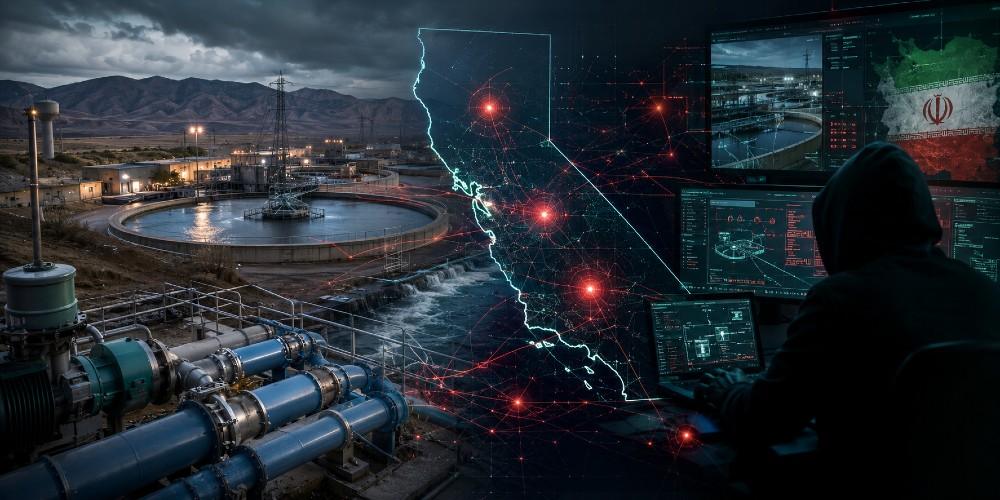
As tensions with Iran continue to simmer despite hope for a peace deal, a hacker group linked to the regime has claimed a significant cyber intrusion into California’s water infrastructure. The group, known as Handala, alleges it accessed systems serving multiple cities including Bakersfield, Visalia, and Chico, posting what appear to be resident water bills as proof.
While experts question the extent of the breach and its potential for real harm, the episode exposes dangerous weaknesses in America’s critical infrastructure at a time when foreign adversaries grow bolder.
The timing is no coincidence. Handala framed the operation as direct payback for U.S. strikes on water facilities near Sirik in southern Iran, which Iranian state media claimed left thousands without access to drinking water amid scorching heat. The hackers declared they could have disrupted service but chose restraint as a “warning” to President Trump. Yet their boasts ring hollow against the backdrop of repeated Iranian threats and a pattern of overstatement by such groups.
California Water Service, the utility involved, moved quickly to investigate and stated it found no signs of compromise in its IT or operational technology networks.
“We have conducted a preliminary scan… and have no signs of any compromise,” a spokesperson told local outlets. An ongoing investigation continues, but officials emphasize that water production and delivery systems remain secure.
Cybersecurity professionals have pushed back on the claims. Handala has a documented habit of exaggerating capabilities, and the decision to “spare” the water supply reads more like psychological theater than genuine restraint. Sean Malone of BeyondTrust noted the group’s history of overstating its reach. Nevertheless, the incident serves as a stark reminder that water utilities represent soft targets for nation-state actors and their proxies.
The Broader Cyber Threat Landscape
This is not an isolated bluster. Federal warnings from the FBI and CISA have highlighted Iran-linked actors targeting U.S. water and energy sectors for months, exploiting vulnerabilities in industrial control systems. Earlier advisories pointed to efforts against programmable logic controllers, the very systems that keep water flowing and power running. California, with its vast and complex water network, sits particularly exposed.
The hackers reportedly leaked five gigabytes of data, including personal information and administrative credentials. Even if operational control remains out of reach, the theft of customer data and potential footholds in utility networks could enable future disruption. In an era of hybrid warfare, such incursions blend seamlessly with kinetic strikes and proxy conflicts.
President Trump has signaled optimism for a peace deal that would prevent Iran from developing nuclear weapons, yet the regime’s proxies continue probing American vulnerabilities. The contrast could not be clearer: while diplomacy proceeds, adversaries test resolve through cyber means.
America’s enemies understand that crippling infrastructure strikes at the heart of civilian life far more effectively than battlefield engagements alone.
California’s challenges compound the problem. Decades of policy failures have left the state’s water systems strained by drought, mismanagement, and aging infrastructure. Adding foreign cyber threats to this mix creates a perfect storm. Residents in cities like Bakersfield already navigate high costs and reliability concerns; the last thing they need is the specter of state-sponsored sabotage.
Vigilance in an Age of Asymmetric Threats
The claims arrive amid ongoing U.S.-Iran hostilities, including recent strikes and discussions of a potential nuclear agreement. Trump’s stated approach balances strength with the possibility of normalized relations, but adversaries interpret restraint as weakness. Handala’s move fits a larger pattern of retaliation and escalation by Iran and its allies.
History teaches that ignoring such threats invites greater danger. From colonial days through the Cold War, America has faced foes who probe for weakness. Today’s digital battlefield demands the same clarity of purpose and robust defense that secured the nation in past generations.
Securing critical infrastructure must become a national priority. This means hardening utilities against intrusion, investing in resilient technology, and rejecting the complacency that has too often characterized responses to foreign cyber operations.
California’s experience should serve as a wake-up call not just for the Golden State, but for the entire country.
The Iranian regime’s water infrastructure rhetoric rings particularly ironic given its own history of internal mismanagement and aggression. Yet the lesson for America remains clear: eternal vigilance is the price of liberty, and in the digital age, that vigilance must encompass every pump, pipe, and server that delivers life’s essentials to our citizens.