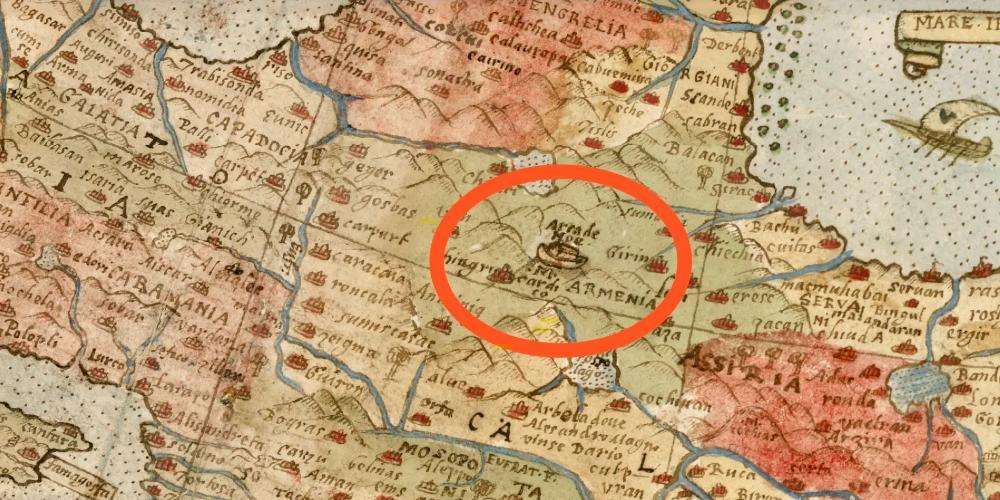
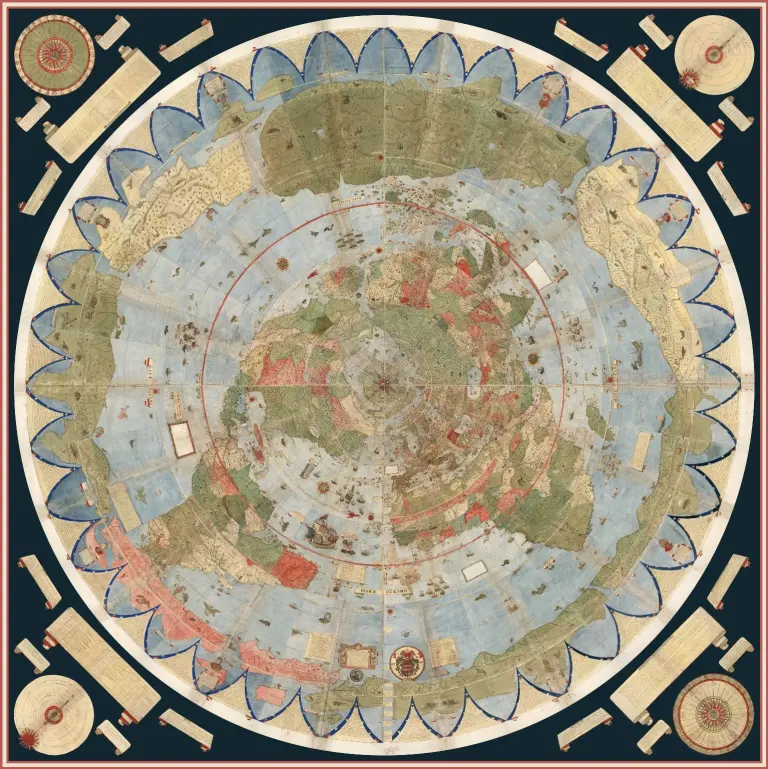
A 16th-century map has surfaced with striking implications. The massive Planisphere created by Italian cartographer Urbano Monte in 1587 appears to mark the final resting place of Noah’s Ark precisely where many researchers have long suspected it lies—in the mountains of Ararat region in modern-day Turkey.
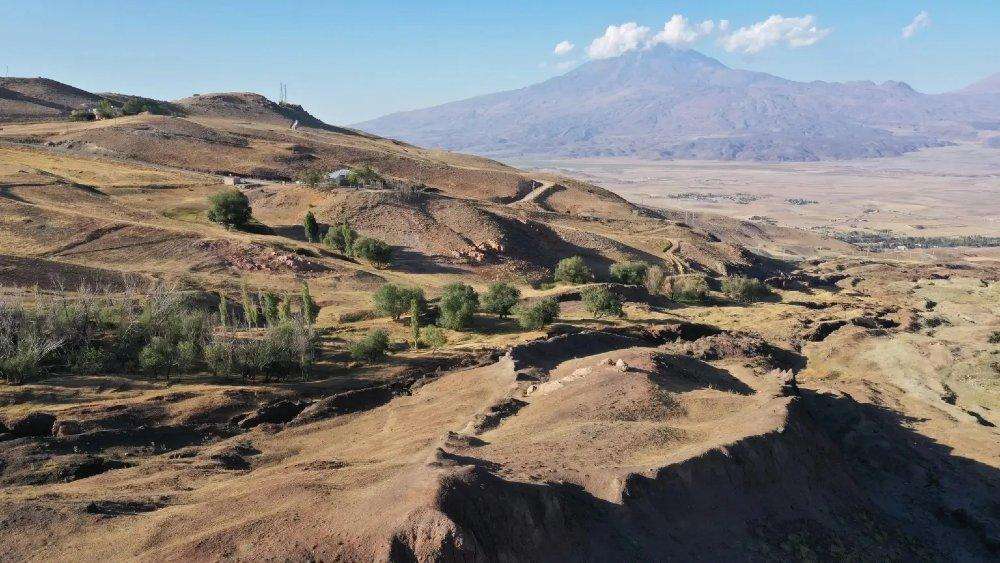
Independent researcher Jimmy Corsetti highlighted the alignment on social media, noting that Monte’s depiction of “Arca Noe” sits at the same location and matches the dimensions of the Durupinar Formation, a boat-shaped site that has drawn both fascination and controversy for decades.
Far from mere coincidence, this cartographic detail adds another layer to mounting evidence that the biblical account of the global Flood is rooted in historical fact, not pious fiction.
This is not the first time the Durupinar Formation has captured attention. Discovered in the 1950s, the 515-foot-long structure has long been promoted by explorers like the late Ron Wyatt as the fossilized remains of the biblical vessel.
While mainstream archaeology remains skeptical, citing volcanic activity and natural rock folding, recent soil analysis and ground-penetrating radar scans have uncovered anomalies difficult to dismiss as purely geological.
What makes Monte’s map particularly compelling is its placement. Created more than four centuries ago, long before modern satellite imagery or detailed surveys of eastern Turkey, the cartographer illustrated the Ark resting amid the very terrain that matches both biblical geography and the physical formation visible today.
Skeptics may wave this away as artistic license drawn from legend, but such explanations strain under the weight of converging evidence from multiple eras.
The Deeper Cultural and Spiritual Significance
The secular world’s discomfort with the Noah story runs deeper than archaeology. If the Flood was a real global cataclysm as described in Genesis, it challenges the uniformitarian assumptions underpinning much of modern geology and evolutionary biology. A worldwide judgment that reshaped the planet and preserved only eight human souls undermines the narrative that humanity is simply evolving toward utopia through science and progress.
Monte’s map joins a growing body of ancient testimony. Babylonian records, including the Imago Mundi tablet, contain striking parallels to the Flood account, describing a vessel coming to rest in a distant mountain region. These cross-cultural memories preserved by peoples separated by time and distance suggest not borrowed mythology, but a common historical root.
Critics often portray biblical literalists as anti-science, yet here we see independent researchers, cartographic history, and ground-level investigation pointing toward the very location Scripture identifies. The Durupinar site continues to draw visitors who sense something profound beneath the soil—a silent witness to divine judgment and mercy.
In our era of moral relativism and institutional skepticism toward ancient texts, such findings serve as quiet rebukes. They remind us that God’s Word has withstood centuries of attempts to bury it, much like the Ark itself may have endured beneath layers of earth and time.
As the Apostle Peter warned, scoffers in the last days would deliberately forget the Flood that once destroyed the world. Yet the evidence keeps surfacing, inviting honest hearts to consider the God who judges sin while providing salvation for those who enter His refuge.
“And God remembered Noah, and every living thing, and all the cattle that was with him in the ark: and God made a wind to pass over the earth, and the waters assuaged.”
The rediscovery of this ancient map is more than a historical curiosity. It is another thread in the tapestry proving that the Bible’s opening chapters record real events with eternal consequences. In a culture drifting from its foundations, such reminders call us back to the unchanging truth that the same God who saved Noah stands ready to save all who trust in His provision today.